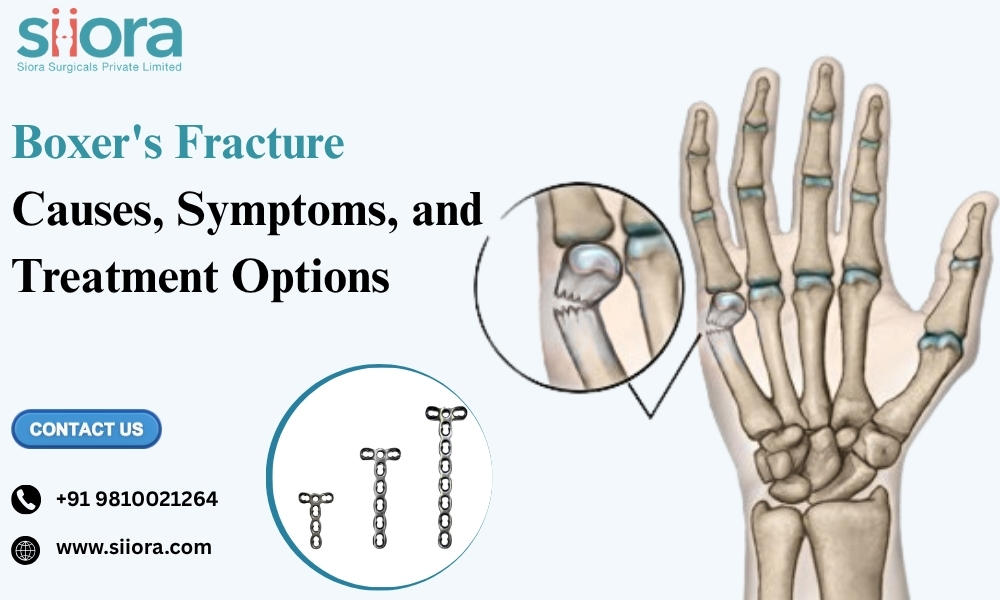
A hand fracture plate is often a critical tool used in the surgical management of a boxer’s fracture, a common injury that occurs in the small bones of the hand. Despite its informal name, this fracture isn’t limited to boxers or athletes. It frequently results from a moment of anger or an accidental impact with a hard surface. Understanding this type of fracture, its causes, symptoms, and treatment options can make a significant difference in recovery and long-term hand function.
What Is a Boxer’s Fracture?
A boxer’s fracture is a break in the neck of the fifth metacarpal, the bone of the hand that connects to the little finger. This injury typically happens when a person punches something hard with a closed fist. While it may sound like something that only athletes suffer, it’s quite common among people of all ages, especially young men.
The name “boxer’s fracture” comes from its frequent occurrence in professional or amateur boxers, but in reality, most cases are seen in non-athletes who hit a wall or object in frustration.
Common Causes of Boxer’s Fracture
The primary cause of a boxer’s fracture is a forceful impact with a solid object. This usually happens when someone strikes a wall, door, or even another person. Less commonly, it can occur during falls or other trauma involving a clenched fist.
Other risk factors include:
- Poor punching technique in sports like boxing or martial arts
- Repetitive stress injuries from high-impact activities
- Weak bone density from conditions like osteoporosis
- Accidents at work or home, especially in manual labor
Recognizable Symptoms of Boxer’s Fracture
The symptoms of a boxer’s fracture are often immediate and hard to ignore. They include:
- Pain and tenderness on the pinky side of the hand
- Swelling and bruising around the knuckle and back of the hand
- Noticeable deformity or depression where the knuckle used to be
- Discomfort while making a fist or during the movement of the little finger
- Crepitus, or a grinding sensation when moving the hand
In many cases, the knuckle on the fifth finger appears “sunken,” and the hand may take on an unusual shape. Prompt medical evaluation is crucial to rule out complications like nerve or tendon injuries.
Diagnosis of Boxer’s Fracture
After a physical examination, the doctor will typically order X-rays to confirm the fracture and assess its alignment. In more complex cases, a CT scan may be used to evaluate the extent of damage or if there are multiple fractures.
Treatment Options for Boxer’s Fracture
The treatment of the fracture is decided based on its severity.
Non-Surgical Treatment
Most boxer’s fractures can be treated without surgery, especially if the bone fragments are well-aligned. Common non-surgical treatments include:
- Immobilization with a splint or cast for 3 to 6 weeks
- Pain management using NSAIDs like ibuprofen
- Elevation and ice to reduce swelling
- Physical therapy after immobilization to regain movement
Surgical Treatment
Surgery may be necessary if the fracture is displaced, open (the bone pierces the skin), or unstable. In such cases, surgeons may use pins, wires, or a plate for a hand fracture to stabilize the bones. These devices help ensure proper alignment and faster healing.
Recovery after surgery involves immobilization followed by physical therapy. Most patients regain full function, though healing can take 6–8 weeks, depending on age, health, and fracture complexity.
Complications to Watch For
Without proper treatment, boxer’s fractures can lead to complications such as:
- Permanent deformity of the hand
- Reduced grip strength
- Stiffness or loss of motion
- Post-traumatic arthritis
- Infection, especially if the fracture is open
Seeking early treatment and following rehabilitation guidelines are key to preventing long-term problems.
Conclusion
A boxer’s fracture may seem like a minor injury, but if left untreated, it can lead to long-term discomfort and dysfunction. Whether it’s a simple splint or the use of a hand plate, timely and appropriate care ensures that the hand heals properly. If you suspect a hand injury, consult a medical professional promptly. Quick action can make all the difference in preserving hand strength and mobility.
Siora Surgicals Pvt. Ltd. is a renowned and established manufacturer of an international standard range of orthopedic implants and instruments. Based in India, the company has over 30 years of experience with distributors in 50+ countries. Siora is also looking to establish its presence among the top orthopedic devices companies in Saudi Arabia.
 Siora Surgicals Pvt. Ltd.